How we built it
One photograph,
every layer an edit of it.
A custom WordPress theme with Elementor, an original scroll engine, and a reference-based image pipeline, developed with AI assistance and documented below.
The brief
Six features,
six pages.
Home
A home page that introduces Marlowby and the subscription.
Plans & Pricing
Subscription plans and pricing.
Cities
Featured cities and an example box: Savannah, Box No. 04.
Makers
The local businesses and their products.
Subscribe
A way to sign up, one click from every page.
Our Mission
Our mission and how it supports local communities.
Who it’s for
Three visitors
we designed for.
Maya, buying a gift.
She needs to see what’s in a box, what it costs and how to send it, fast.
Jordan, a curious local.
He wants to know whether the makers are real people from his city and how they get paid.
Priya, who travels for food.
She reads every maker story and wants the walk in the Field Guide.
The hero, taken apart
Not a video.
A stack of images.
The unboxing on the home page is separate transparent images, stacked in the browser and moved by how far you have scrolled. Every one is an edit of the same master photograph, so the light and the camera never change.
Front to back · 10 image layers
-

Lid
lid.webp · 1211 × 643 px
Lifts off first. It is the only layer that leaves the frame.
-

Box, front wall
base-front.webp · 1536 × 1024 px
The near wall of the box, cut out on its own so the products can rise from behind it.
-
-
-
-

-

-
-
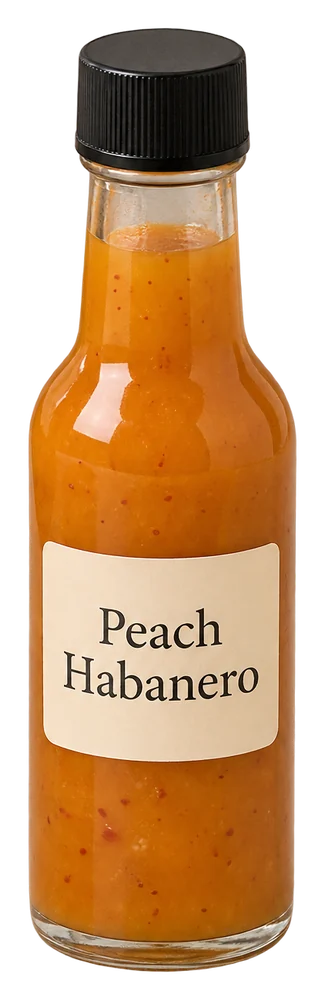
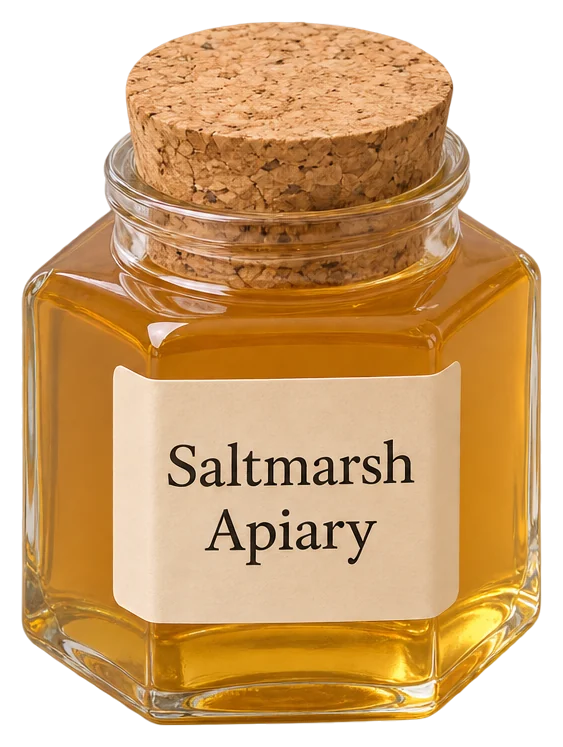
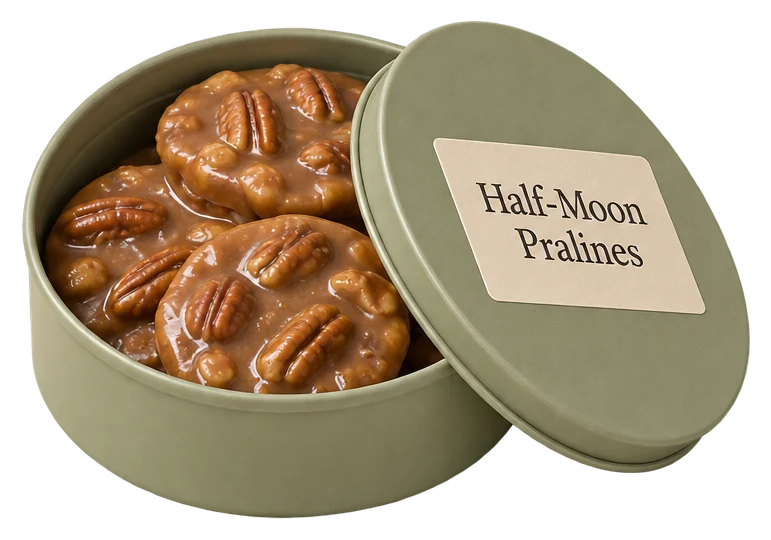
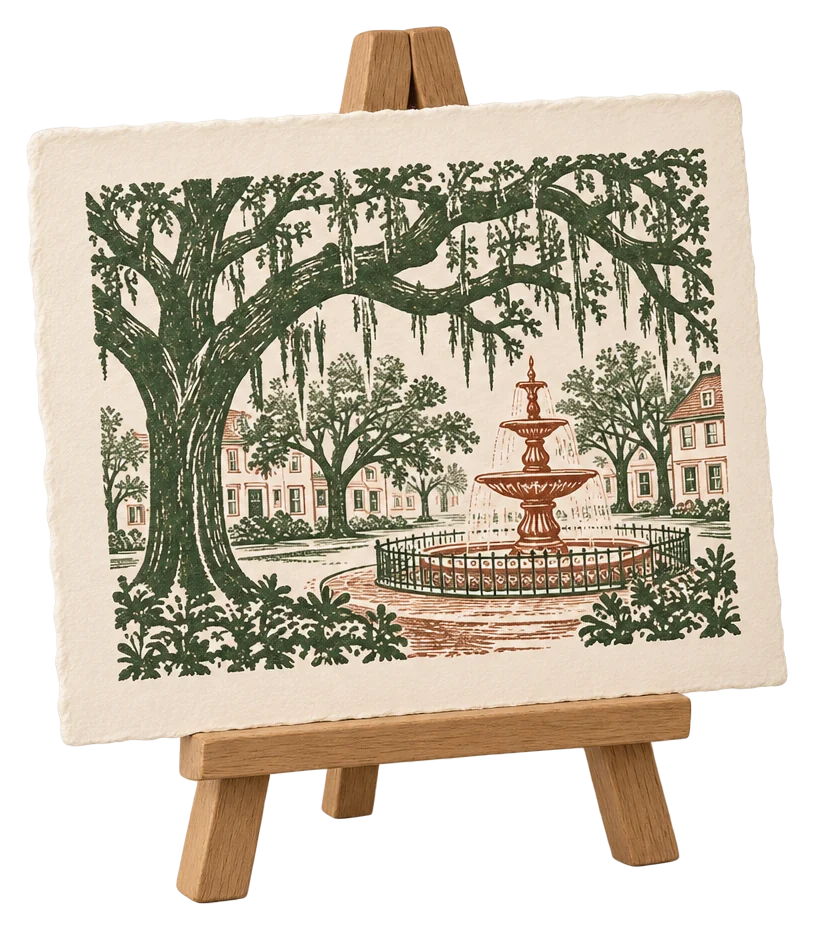
Six products
Each product is its own image, so each one can lift, turn toward you and settle on its own.
-
-

Tissue
tissue.webp · 1349 × 573 px
Paper tissue that sits under the products and stays behind when they lift.
-

Box, back and floor
base-back.webp · 1536 × 1024 px
The rest of the open box. Everything else is stacked on top of it.


AI-generated images (OpenAI GPT Image), all edited from one master photograph, then cut out and exported by our code. See full credits
The stack
Original code,
standard parts.
This site started from a blank theme. Its templates, blocks, stylesheets and scripts were developed for this brief with AI coding assistance. WordPress supplies the content model; Elementor and project-specific widgets provide visual editing in this local edition. The credits identify the tools and source material.
- Theme
- A custom WordPress theme, adapted for Elementor while preserving the original layout and motion system
- Content
- A companion plugin for cities, makers, plans and questions, so the content survives a theme change
- Editing
- Elementor sections with text, media, links and style controls; dashboard forms for shared data. The existing Interactivity API powers pricing, filters and the subscription demo
- Styles
- Original SCSS, compiled with Dart Sass. No CSS framework
- Motion
- Plain JavaScript modules, no libraries. Every frame is a pure function of scroll position
- Images
- A Python pipeline that makes every layer from one master photograph, cuts it out, trims it and exports AVIF and WebP at two sizes
- Fonts
- Three open-source typefaces, subset by our build and served from this site
The process
Five steps,
in order.
Read the brief.
We listed the six required features and gave each one a page.
Prototype the hero.
We built the unboxing first, as a plain HTML prototype, because every other page borrows from it.
Shoot once.
One master photograph, then every layer and product as an edit of it.
Build in WordPress.
Theme, blocks, templates and content, one page type at a time.
Test and fix.
Every template, at phone and desktop sizes, with and without motion.
The work behind the site
Four disciplines,
one site.
Creative director
Layout, graphics and art direction.
Front-end engineer
Code, blocks, motion and media.
UX and QA engineer
Navigation, search, accessibility, browser testing and the image pipeline.
Content lead
Research, writing, sources and proofreading.
Testing
Checked across browsers.
The November 12 release checks cover Chromium, Firefox and WebKit at desktop and phone widths, automated axe checks, internal links and fragment targets, search, product dialogs, plan selection and the full demonstration sign-up flow. The scroll scene is also checked with reduced motion and with JavaScript disabled. Physical devices and assistive technologies remain a separate human review.
AI use
Disclosed,
every time.
Product photographs are AI-generated from a shared reference image. Claude and OpenAI Codex assisted with research, code, prompts and copy. The usage log records retained outputs, generation settings and post-processing; human review attribution is tracked separately.
- AI outputs logged
- 106
- OpenAI image and coding records
- 79
- Google Gemini images
- 11
- Anthropic Claude sessions
- 14
- Apple Vision cutout batches
- 2
- Outputs used in the final site (all kinds)
- 53
Log covers November 4, 2026 to November 16, 2026. Every output is listed, used or not.
Start your collection
First stop,
Portland.
The June 2027 box. Your first of many.
